Collecting outstanding payments without chasing people
7 min read

How do clinics collect unpaid patient balances?
Prevent most of them: take payment at the point of care, quote a total before a procedure, and put the policy in writing at the front desk. For the balances that remain, a dated, escalating sequence — a reminder at 7 days, a call at 21, a final notice at 45 — recovers far more than sporadic chasing.
Prevention is most of the answer
A balance you never created is worth more than one you collect well. Four things prevent the majority:
- Take payment at the point of care, before the patient leaves the desk. Not later, not "next visit".
- Quote the total before a procedure. Most disputes are not about willingness to pay; they are about a number the patient did not expect.
- Put the policy in writing, visibly. A small printed card at the desk saying payment is due at the time of service settles nine conversations out of ten before they start.
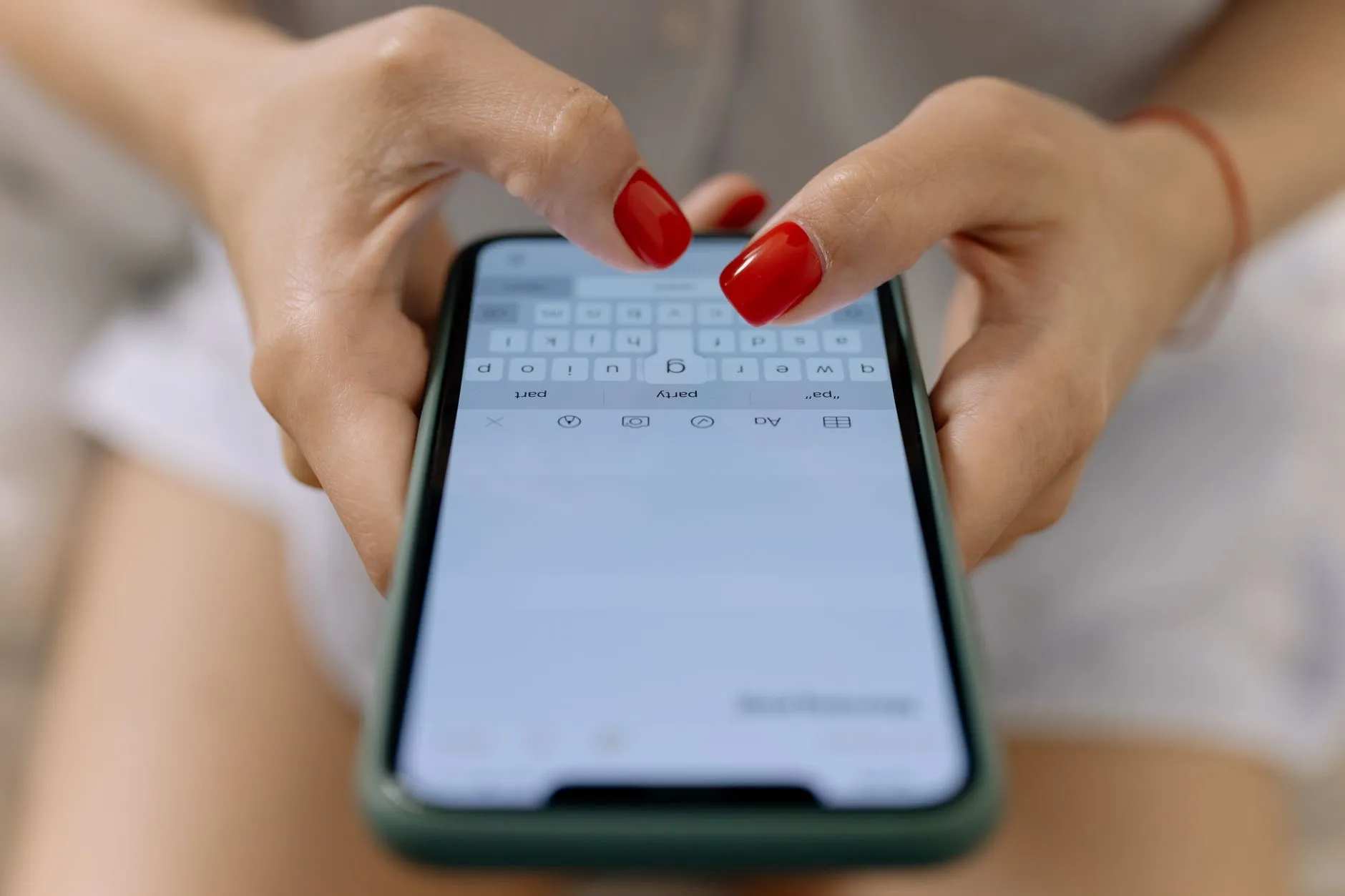
- Offer every payment mode. UPI has removed most of the "I don't have cash on me" balances that used to exist. If you only take cash, you are creating credit.
When you do extend credit, decide it deliberately
There are good reasons — a long-standing patient, a genuine hardship, a corporate account. Make it a decision rather than a drift:
- Who may approve it, and up to what amount.
- When it is due, stated aloud and written on the bill.
- Recorded against the patient, not remembered.
An escalation that works
Dated, calm and predictable. Sporadic chasing recovers less than a boring sequence.
- Day 7 — a message. One line, the amount, and a way to pay. A UPI link recovers a surprising share here.
- Day 21 — a phone call. Not a message. Ask whether there is a difficulty; often there is, and a payment plan solves it.
- Day 45 — a written notice. Formal in tone, still polite, stating the amount and the date it was incurred.
- Day 90 — a decision. Write it off, or hand it over. Do not leave it drifting on the ledger where it distorts your numbers.
Tone matters more here than anywhere
The person owing you money may need to come back and may be in poor health. Assume good faith in every message: "we noticed this is outstanding" rather than "you have failed to pay". A clinic that chases aggressively recovers slightly more money and loses considerably more patients.
Never withhold the record
Refusing to give a patient their records, reports or a discharge summary over an unpaid bill is not a leverage strategy, it is a complaint waiting to be filed. The debt and the record are separate matters, and consumer forums treat them that way.
Watch the ageing, not the total
A single outstanding figure tells you nothing. Split it:
- 0–30 days — normal, mostly self-resolving.
- 30–60 — needs the call.
- 60–90 — recovery rate falls sharply here.
- Over 90 — largely uncollectable. Decide rather than defer.
If the over-90 bucket is growing month on month, the problem is your collection process at the desk, not the patients.Where else money goes missing.
Clinikr shows outstanding by age, tracks part payments against an invoice, and puts the patient's balance beside their name so the front desk sees it at check-in rather than at checkout.
Written by the team building Clinikr, clinic software for Indian practices. Corrections and disagreements to hello@clinikr.xyz.