GST on clinic and pharmacy bills: what a practice has to get right
9 min read

Do clinics have to charge GST on consultations and medicines?
Healthcare services by a clinical establishment are exempt from GST, so a consultation is not taxed. Selling medicines and consumables over the counter is a supply of goods and is taxable at the rate for that item, which is why one visit can produce an exempt line and a taxable line on the same bill.
Why one visit produces two kinds of line
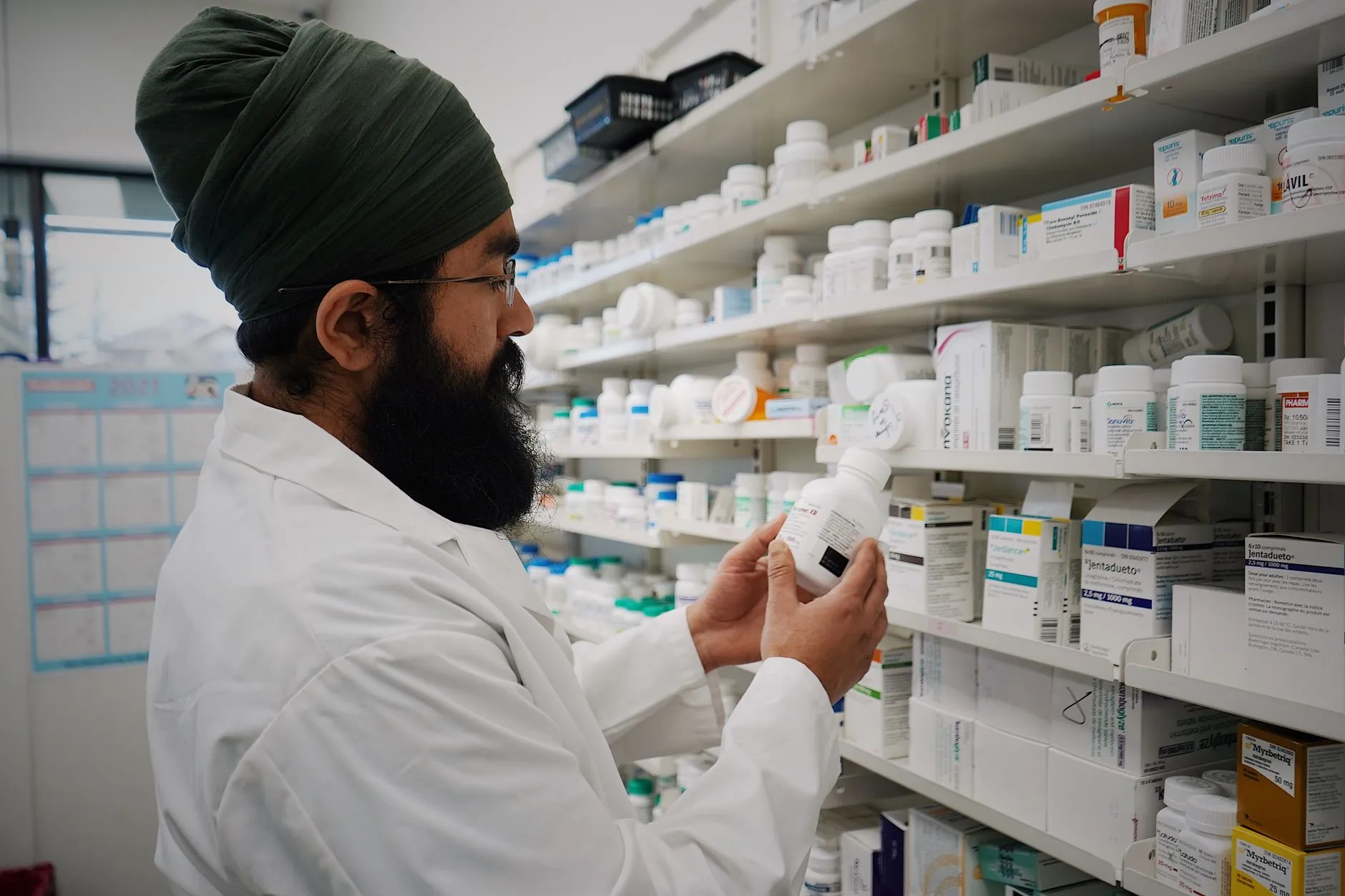
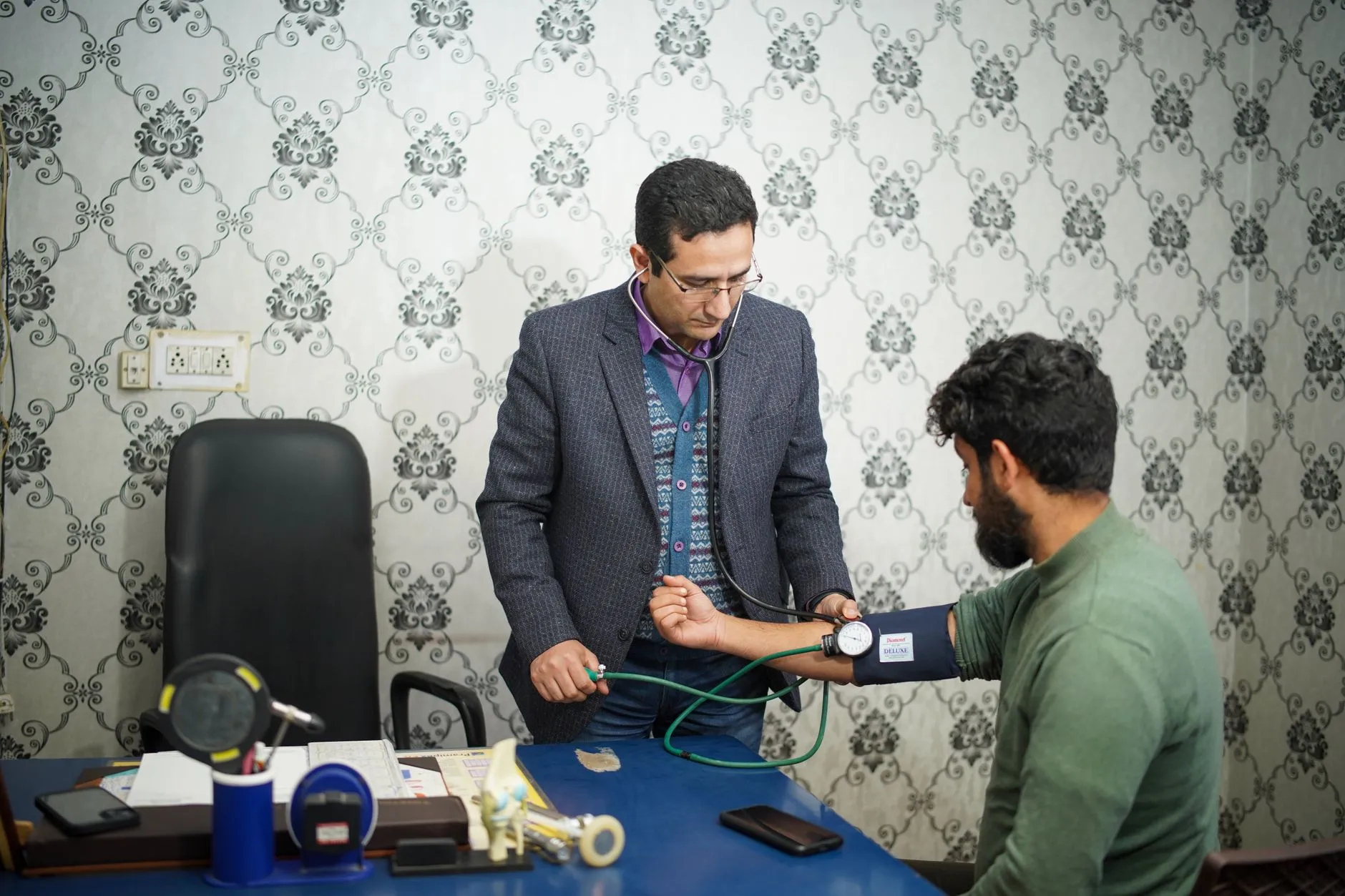
Healthcare services provided by a clinical establishment, an authorised medical practitioner or paramedics are exempt from GST. A consultation, a dressing, a follow-up: exempt. But the moment you hand over a strip of tablets across the pharmacy counter, that is a supply of goods, and goods are taxable at whatever rate applies to them.
So the same patient, on the same afternoon, can generate an exempt line and a taxable line. Software that assumes a clinic is either wholly exempt or wholly taxable will get this wrong, and it is the kind of wrong that only surfaces at filing time.
Rates you will meet in practice
- Consultation and treatment — exempt.
- Most medicines — 12%. A defined list of life-saving drugs sits at 5%, and a small set is nil-rated.
- Consumables, dressings and devices — commonly 12% or 18%.
- Room rent — exempt below the notified threshold; above it, taxable. Relevant if you keep patients overnight.
Rates change. Keep the rate against each item in your software rather than in somebody's memory, so a notification means editing a few rows rather than reissuing a month of bills.
CGST and SGST, or IGST
For a clinic this is nearly always simple: the patient is standing in front of you, the place of supply is your own state, and the tax splits into CGST and SGST at half the rate each. A 12% item becomes 6% CGST and 6% SGST.
IGST at the full rate applies when the place of supply is a different state — which for a clinic realistically only happens with a teleconsultation billed to a registered business in another state. If your software makes you choose between them on every invoice, it is asking you to do its job.
What a compliant invoice must carry
Under Rule 46, a tax invoice needs:
- Your name, address and GSTIN.
- A consecutive serial number, unique for the financial year, with no gaps. This is the requirement most spreadsheets quietly fail.
- The date of issue.
- The patient's name and address, and their GSTIN if they are registered.
- HSN code for goods, SAC for services.
- Description, quantity, unit and taxable value per line.
- Rate and amount of CGST, SGST or IGST, shown separately.
- Place of supply.
- Whether tax is payable on reverse charge.
- A signature or digital signature.
The gapless numbering trap
"Consecutive, unique, no gaps" is a genuine legal requirement and a genuine engineering problem. If two people at the front desk issue an invoice at the same second, a naive system either duplicates a number or skips one. The fix is to allocate the number from the database under a lock at the moment of issue — never in the browser, and never when the draft is created, because drafts get abandoned and abandoned drafts leave holes.
A cancelled invoice keeps its number. You do not reuse it; you record the cancellation against it. A missing number is far harder to explain to an officer than a cancelled one.
Rounding, once
Compute tax per line, then round the invoice total once, at the end. Rounding each line and adding up produces totals that differ by a rupee from anyone else's arithmetic, including your accountant's. Keep money in paise as whole numbers internally; floating-point rupees will eventually cost you a rupee you cannot explain.
Input tax credit
A clinic making exempt supplies cannot claim input credit on inputs used for those supplies. If you also run a taxable pharmacy counter, you are making mixed supplies and must apportion credit under Rules 42 and 43. This is a conversation with your CA, not a setting in your software — but your software should be able to hand them the numbers, split by exempt and taxable, without a week of spreadsheet work.
Clinikr computes totals on the server, allocates invoice numbers gaplessly under a lock, keeps HSN and SAC against each item, and freezes an invoice the moment it is issued so the figure on the patient's copy is the figure in your return.
Written by the team building Clinikr, clinic software for Indian practices. Corrections and disagreements to hello@clinikr.xyz.