Dental clinic software: what is genuinely different
7 min read
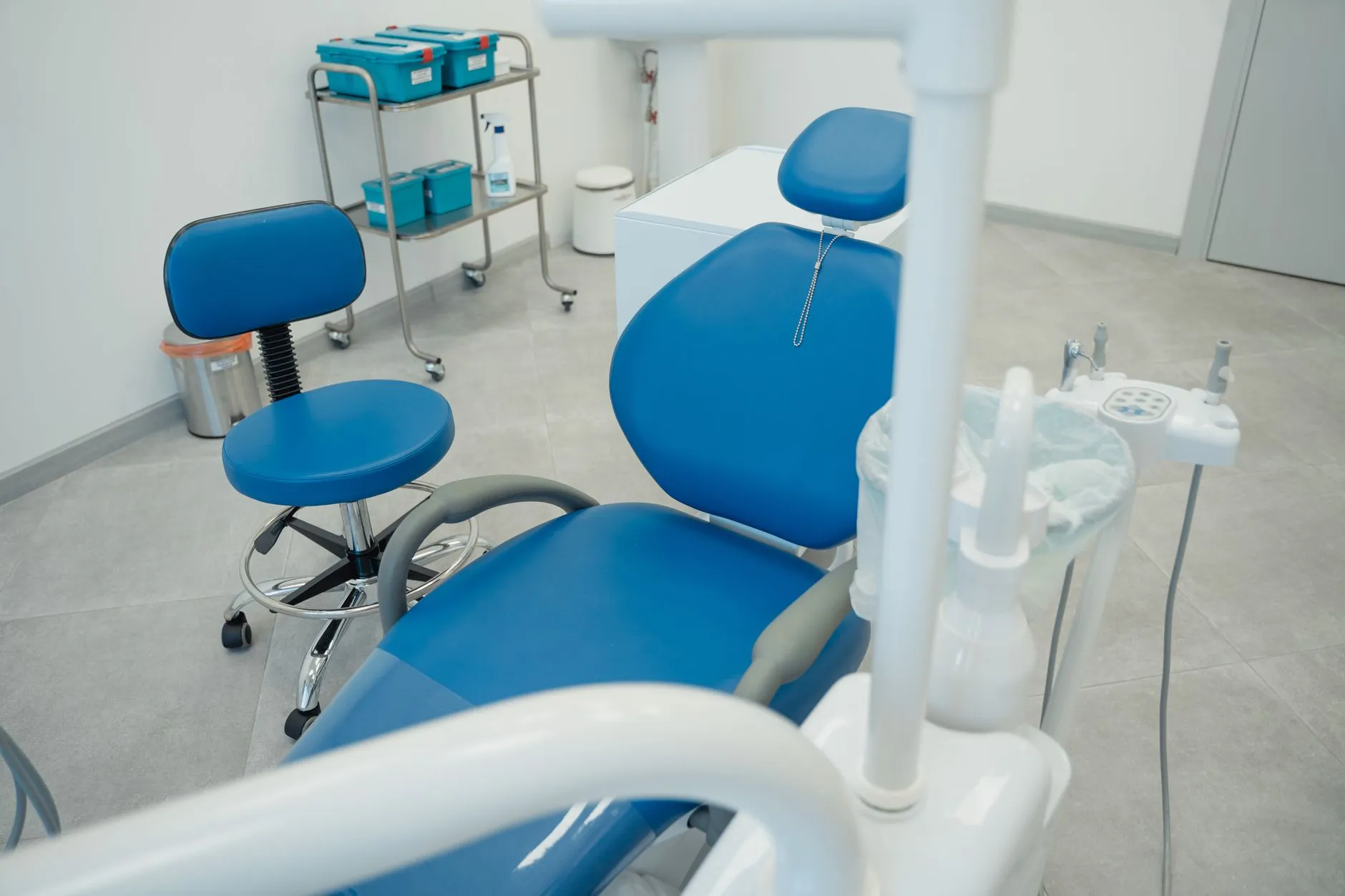
What should dental clinic management software have?
Four things beyond general clinic software: a tooth chart you can mark up, treatment plans that span many visits with progress tracked per tooth, dental lab work tracking with due dates, and instalment billing because dental treatment is often paid over months. Everything else — diary, queue, billing, recalls — is the same as any clinic.
What is the same
Most of it. A dental practice registers patients, books appointments, runs a queue, records a consultation, bills with GST, chases outstanding balances, orders lab work and recalls patients. Software that does those things badly will do them badly for a dentist too.
So evaluate the general things first — theeight-point frameworkapplies unchanged — and then check the four below.
1. Tooth charting
The single genuinely dental-specific requirement. You need a chart you can mark per tooth and per surface, showing existing restorations, planned work and completed work differently, using FDI or Universal notation consistently.
Test it by charting a real patient with mixed history. Charting that takes longer than drawing it on paper will not be used, and a treatment plan that lives half in software and half on paper is worse than either.
2. Treatment plans that span visits
Dental work is a plan, not a visit. A root canal, a crown and a cleaning might run across six appointments and two months. The software has to hold:
- the full plan, with a cost per item and a total quoted up front;
- what has been done, per tooth, per visit;
- what remains, and what it will cost;
- how much has been paid against the plan so far.
A system that can only bill per visit forces you to re-explain the total every time, which is where most dental payment disputes start.
3. Lab work tracking
Crowns, bridges, dentures and aligners go out to a dental lab and come back. You need to know what is out, with which lab, due when, for which patient — because the appointment cannot happen until it is back, and a lost case is both a wasted slot and an angry patient.
Ask specifically about this. It is the feature most often missing from general clinic software sold to dentists.
4. Instalment billing
A ₹40,000 treatment plan is commonly paid across visits. The software should hold the plan total, record payments against it, and show the running balance — without either raising one invoice you cannot collect or six invoices nobody can reconcile.
Note the GST point: dental treatment as healthcare is exempt, but cosmetic procedures may not be, and any materials you sell separately are goods.The general rules are here.
Things vendors will offer that matter less
- Imaging integration. Useful if your OPG or RVG software supports it; most Indian practices open the imaging software separately and manage fine.
- 3D smile simulation. A sales tool, not a practice management one. Judge it as marketing spend.
- Patient portals. Low adoption in Indian practice; patients use WhatsApp.
What matters more than any of it
Recalls. Dentistry runs on six-month check-ups, and a practice that recalls reliably is worth more than one with better charting.Building a recall system.
Clinikr covers the general half of this well — diary, queue, consultations, GST billing, recalls and pharmacy. Tooth charting is not in it today, so a practice whose main need is charting should say so and we will tell you honestly whether to wait.
Written by the team building Clinikr, clinic software for Indian practices. Corrections and disagreements to hello@clinikr.xyz.