Hiring and training a clinic receptionist
8 min read

What makes a good clinic receptionist?
Composure with an anxious person, accuracy with a phone number, and the willingness to say “I will find out” instead of guessing. Software skills are teachable in a fortnight; temperament under pressure is not, so interview for the second and train the first.
What the job actually is
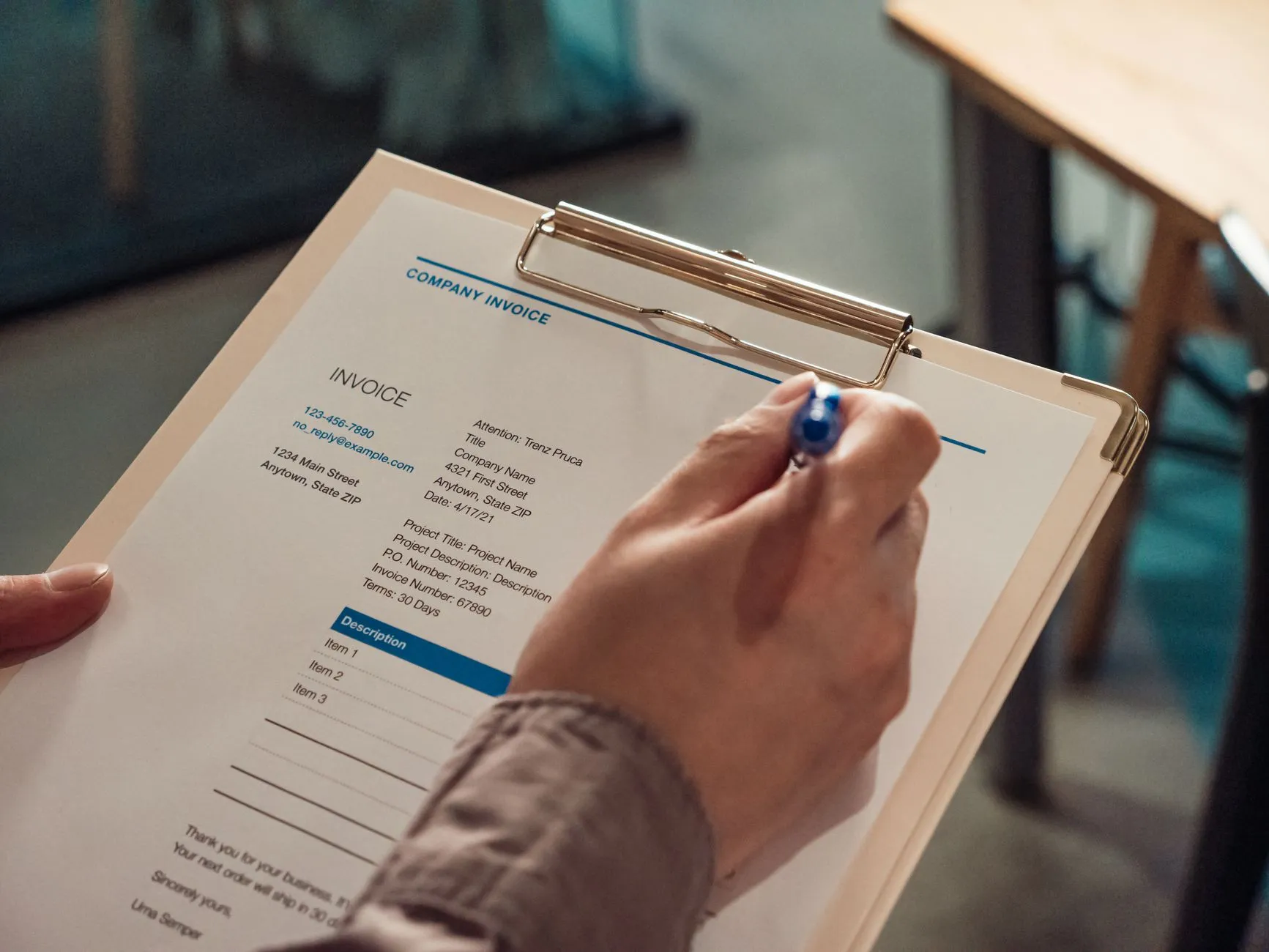
Not "answering the phone". The front desk is simultaneously the first clinical triage a patient meets, the cash desk, the scheduling function, the complaints department and the clinic's tone of voice. They handle anxious people, angry people and confused people, often at once, while typing accurately.
Hire for that, not for software experience. Software takes a fortnight; composure does not.
What to look for
- Calm under pressure. The queue is long, the doctor is late, someone is upset. Does this person get flustered or get organised?
- Accuracy with detail. A wrong digit in a phone number is a missed appointment and a failed reminder.
- Willingness to say "I don't know". The single most dangerous front-desk habit is guessing a clinical answer to be helpful.
- Discretion. They will know who is being treated for what. This is not a soft preference; it is a confidentiality obligation.
- The languages your patients speak. Often more valuable than any qualification on the CV.
The interview exercise that predicts performance
CVs and interviews barely predict this job. A twenty-minute role-play does. Sit the candidate at a desk and run three scenarios:
- A booking. "I need to see the doctor this week." Do they take the number first? Do they check whether the patient has been before?
- An upset patient. "I have been waiting fifty minutes." Do they apologise and inform, or defend and argue?
- A clinical question. "Can I take this with my BP tablet?" The only correct answer is some version of "I will ask the doctor and call you back." Anyone who ventures an opinion here should not be hired, however good the rest was.
The third scenario alone will decide most of your hiring.
A two-week training plan
Week 1 — watch and do the simple things
- Days 1–2: shadow. Nothing else. Watch a full day, twice.
- Day 3: register new patients under supervision.
- Day 4: check in booked patients; handle the queue.
- Day 5: take payments with someone beside them.
Week 2 — run it with someone nearby
- Day 6–7: the phone, with a script for the first fifty calls.
- Day 8: bookings, cancellations, rescheduling.
- Day 9: opening and closing, including the cash reconciliation.
- Day 10: a full day alone, with someone in the building.
Give them theone-page SOP on day one and go through it on day ten, when it will mean something.
What makes good receptionists leave
- Being blamed for the doctor running late. They absorb it all day. Back them in front of patients, always.
- No authority. If they cannot waive ₹50 or move an appointment without asking, every small decision becomes an interruption and they stop making any.
- Being the only one who knows things. No cover means no leave. Cross-train someone.
- Being invisible when it goes right. Nobody thanks the desk for a day that ran smoothly. It is worth doing deliberately.
Two things to set up on day one
- Their own login. Never a shared one. Every action should be attributable, which matters for training as much as for security.
- The right permissions. They need to register, book, bill and take payment. They do not need to see clinical notes, and the software should enforce that rather than trusting them not to look.
Clinikr has roles built in — a receptionist books and bills, a doctor consults and prescribes, a pharmacist dispenses — enforced on the server rather than by hiding buttons.
Written by the team building Clinikr, clinic software for Indian practices. Corrections and disagreements to hello@clinikr.xyz.