How to start a clinic in India in 2026: licences, costs and the first 90 days
11 min read
What do I need to open a clinic in India?
Clinical Establishments registration with your state, a qualified practitioner’s registration with the state medical council, and — if you dispense — a retail drug licence from the state FDA. Budget ₹8–25 lakh for a two-room outpatient clinic in a tier-2 city, most of it fit-out and deposit rather than equipment.
Requirements vary by state and by speciality, and they change. Treat the figures below as planning ranges, and confirm each registration with your own state authority before you commit money.
The registrations you cannot skip
Clinical Establishments registration
Required in states that have adopted the Clinical Establishments (Registration and Regulation) Act, and required under an equivalent state law in most that have not. Applied for through your state health department, usually online. Expect to submit proof of premises, qualifications of the practitioner, equipment list, and biomedical waste arrangements. Provisional registration is typically granted quickly; permanent registration follows an inspection.
Practitioner registration
The treating doctor must hold current registration with the relevant state medical, dental or AYUSH council. If you are opening a clinic where someone else practises, their registration is what the establishment registration rests on — verify it yourself rather than taking a certificate at face value.
Retail drug licence — only if you dispense
Issued by the state FDA under the Drugs and Cosmetics Rules. You need a registered pharmacist on the premises, a minimum area (commonly 10 square metres for a standalone retail outlet), and refrigeration where the product list requires it. This is the registration that most often delays an opening, so start it first.
Biomedical waste authorisation
From your State Pollution Control Board, plus a signed contract with an authorised common treatment facility. Even a small outpatient clinic generates sharps and contaminated dressings, and this is checked.
The ordinary business ones
- Shops and Establishments registration with the local authority.
- Trade licence from the municipal corporation.
- PAN and a current account in the clinic's name.
- GST registration if turnover crosses the threshold. Consultations are exempt, but a dispensing counter is a taxable supply —this is worth reading first.
- Professional tax registration, in states that levy it.
- Fire NOC, depending on the building and floor.
- PNDT registration if you will have an ultrasound. Non-negotiable, and heavily enforced.
What it costs
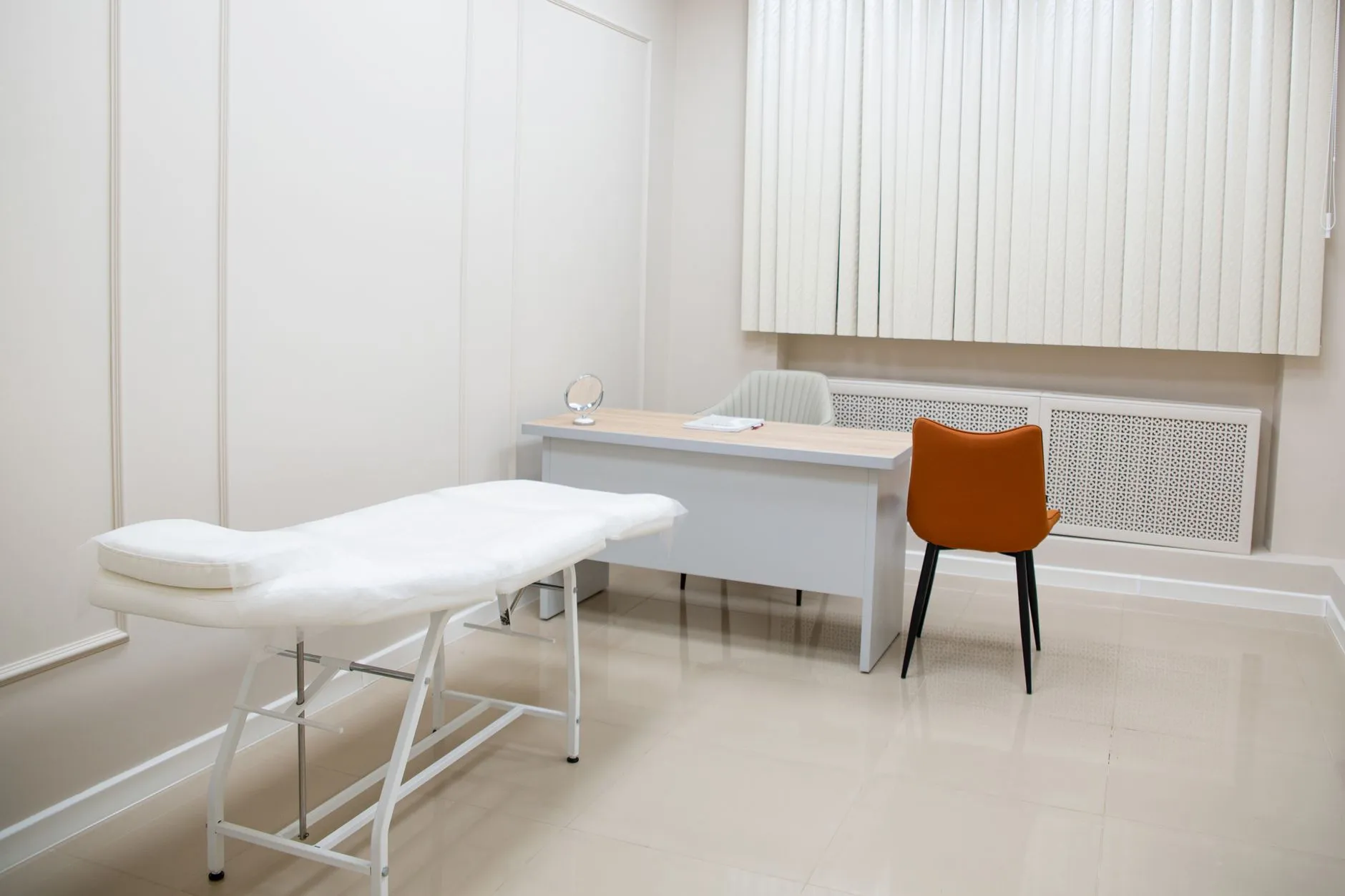
For a two-room outpatient clinic — a consulting room and a waiting area with a front desk — in a tier-2 Indian city:
- Deposit and advance rent — ₹2–8 lakh, the single largest line.
- Fit-out — ₹3–8 lakh for flooring, partitions, electrical, plumbing and signage.
- Furniture — ₹1–2 lakh: examination couch, desk, chairs, waiting seating, storage.
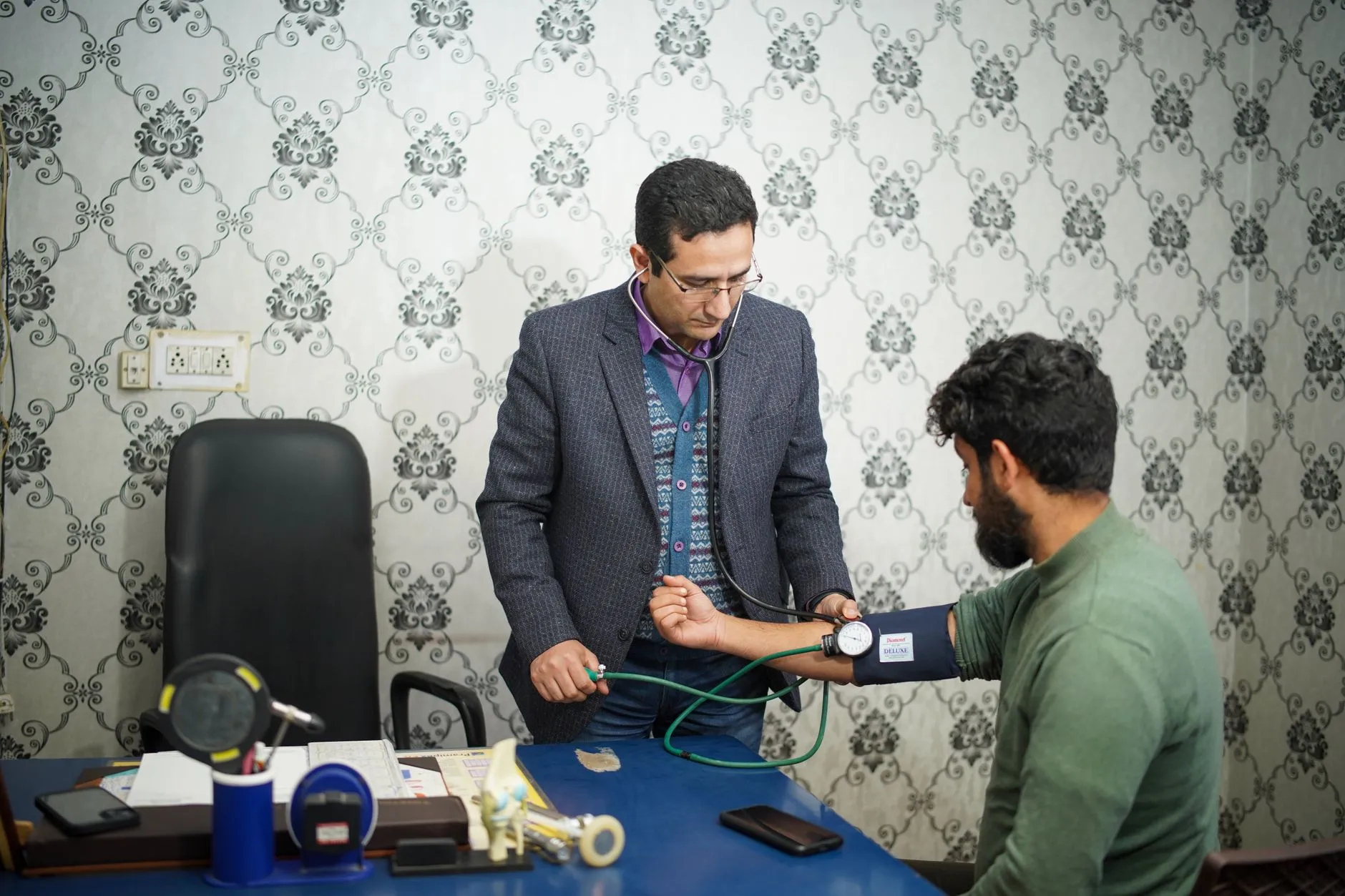
- Basic equipment — ₹1–3 lakh for a general practice: BP apparatus, glucometer, nebuliser, ECG, autoclave, weighing scale, otoscope. Speciality equipment sits on top and can dwarf everything else.
- Registrations and professional fees — ₹30,000–₹1 lakh.
- Opening pharmacy stock, if dispensing — ₹1–3 lakh.
- Software — ₹1,000–₹6,000 a month, not a capital cost.
- Working capital — six months of rent and salaries. This is the line most first-time clinics underestimate, and the one that closes them.
Total: ₹8–25 lakh for a general outpatient clinic, plus six months of running costs in the bank. Metro rents and speciality equipment push this considerably higher.
The first 90 days
Days 1–30: paperwork and premises
- Sign the lease only after confirming the building's use permission allows a clinic.
- Start the drug licence application immediately if you will dispense — it is the long pole.
- File for Clinical Establishments registration.
- Open the current account and apply for PAN.
- Begin the fit-out.
Days 31–60: fit-out and hiring
- Hire the front desk first. They set the tone patients experience.
- Sign the biomedical waste contract; you cannot open without it.
- Order equipment, allowing for delivery and installation slipping.
- Choose your software and set it up now, not the week you open — enter your services and prices, your letterhead and your GSTIN while there is time to get them right.
Days 61–90: dry run and opening
- Run a full week of dummy patients through the whole flow: registration, queue, consultation, prescription, bill, receipt. Every gap shows up here rather than in front of a real patient.
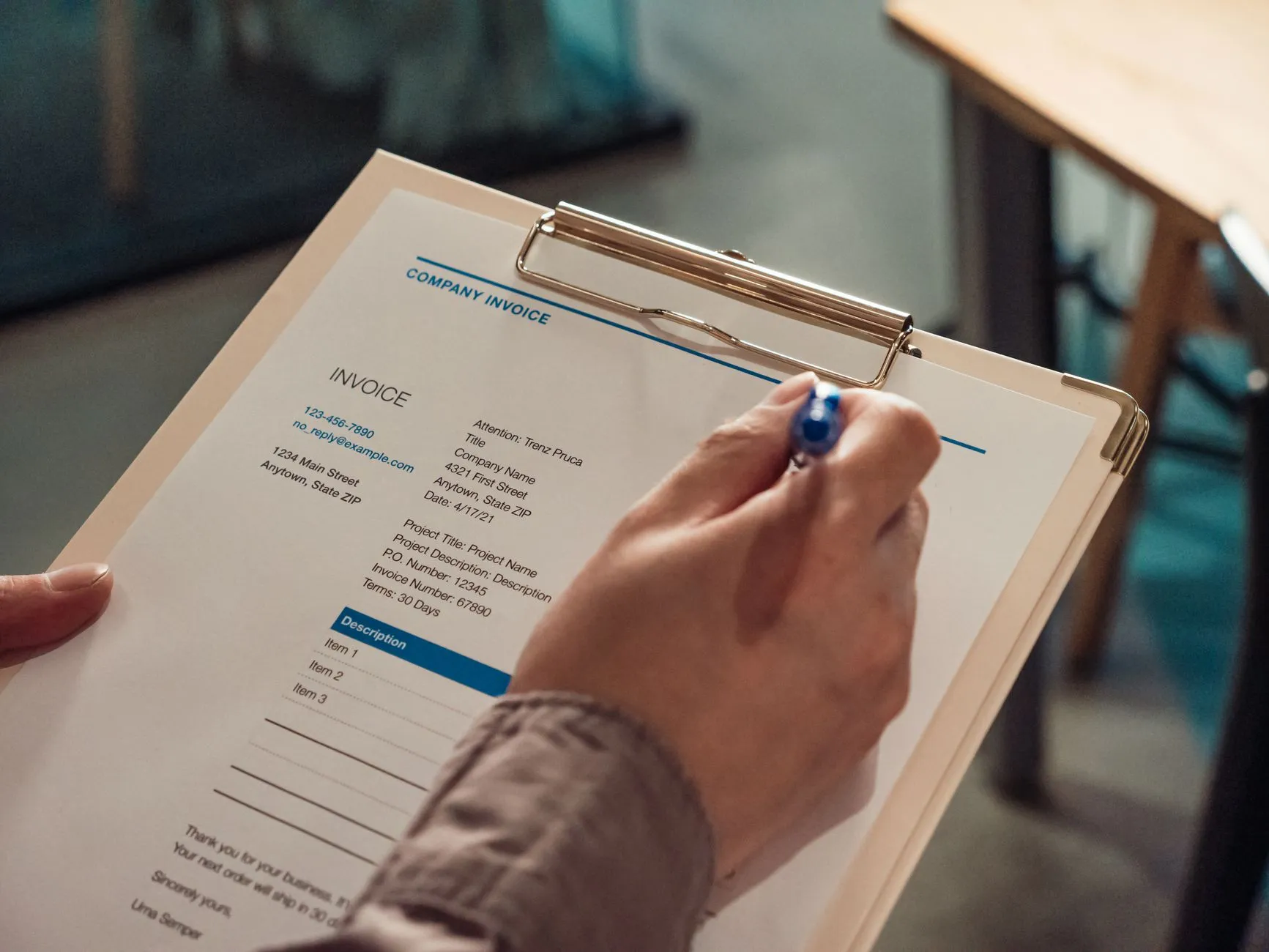
- Print everything once and look at it. Letterhead, prescription, invoice, receipt.
- Set your consulting hours and publish them where people will find them.
- Create your Google Business Profile. For a local clinic this is worth more than a website.
- Open on a Tuesday. Never a Monday.
Three things worth getting right on day one
- Patient identifiers. Decide your UHID format before the first patient, because changing it later means touching every record.
- Invoice numbering. Start a clean series on a financial-year boundary and never let it develop gaps.
- Consent for messaging. Capture it at registration, as a separate tick from consent to treat. Retrofitting consent across a thousand existing patients is genuinely painful —the DPDP checklist explains why.
Clinikr is built for exactly this clinic: one login, one patient record, GST-ready invoices, and pharmacy and labs when you are ready for them. Fourteen days free, no card.
Written by the team building Clinikr, clinic software for Indian practices. Corrections and disagreements to hello@clinikr.xyz.