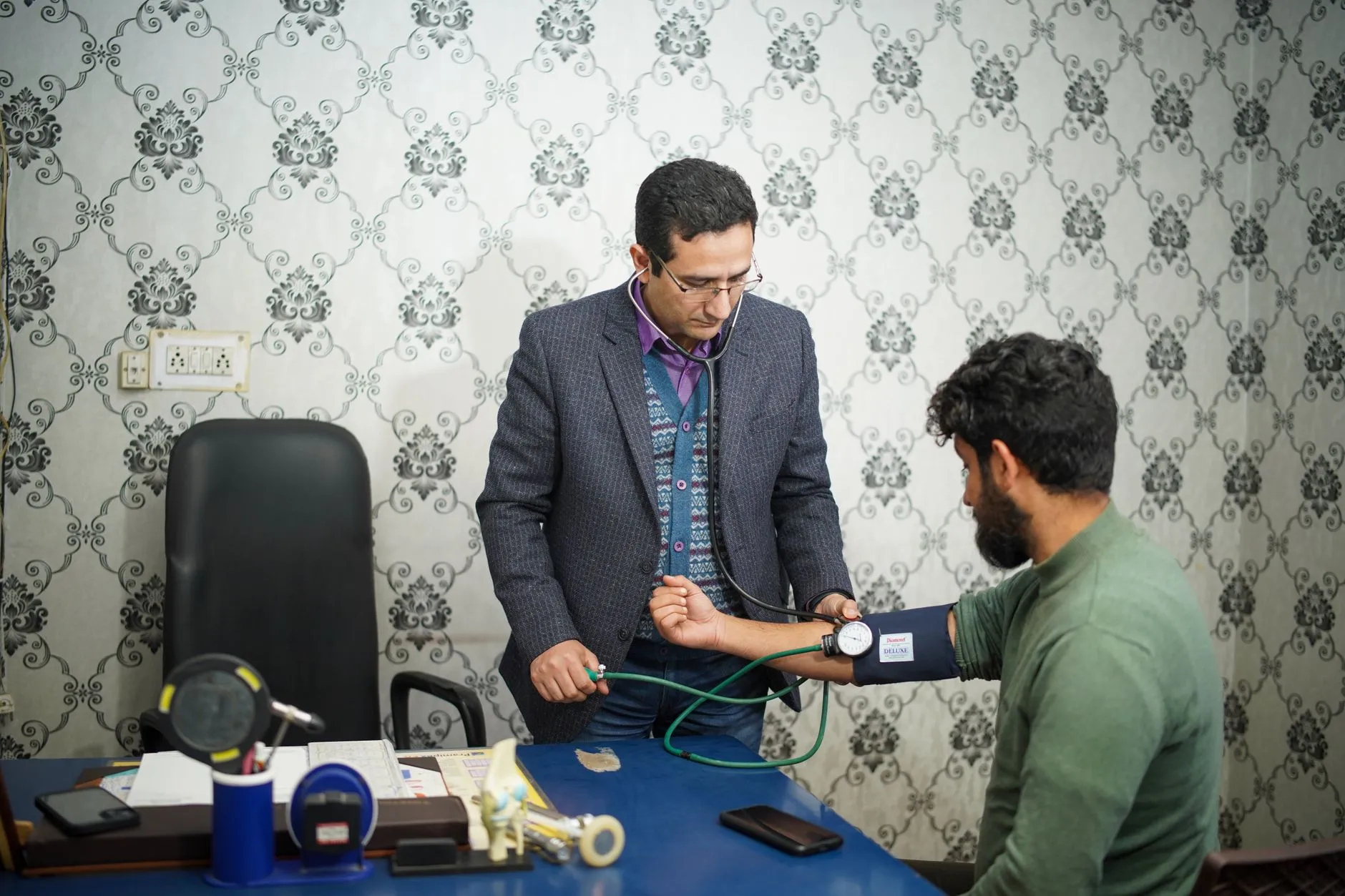
Teleconsultation in India: the rules, and what works in practice
8 min read
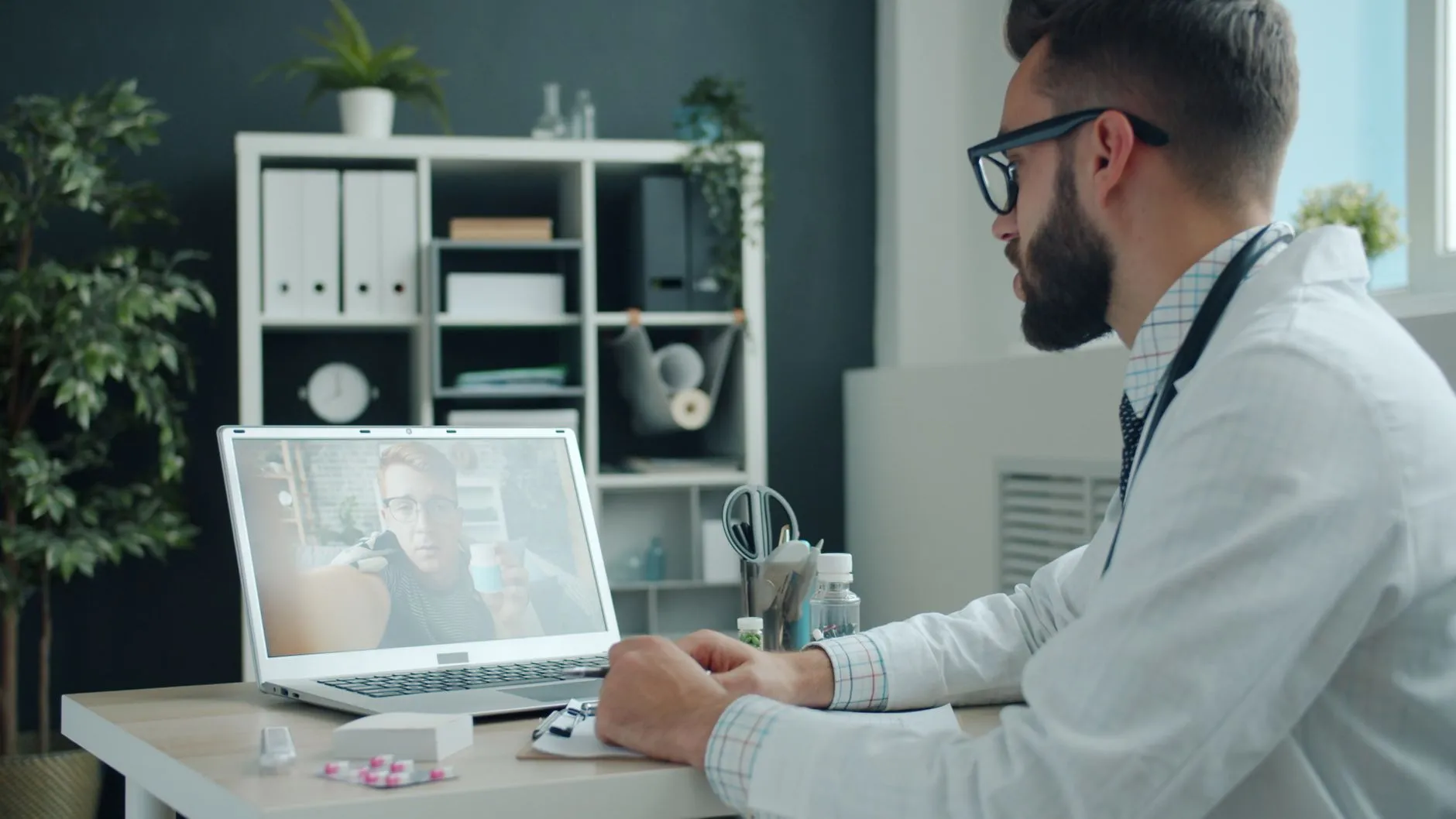
Can Indian doctors legally consult patients online?
Yes. The Telemedicine Practice Guidelines, in force since 2020, permit consultation by video, audio or text, provided the doctor identifies themselves and the patient, records consent, and keeps the same records as an in-person visit. Prohibited-list drugs cannot be prescribed remotely at all, and Schedule X and narcotics are excluded.
A working summary of the Telemedicine Practice Guidelines. They are short and readable; if you consult remotely with any regularity, read the original once rather than relying on any summary, including this one.
What is permitted
Since March 2020, a registered medical practitioner may consult a patient by video, audio or text, and may prescribe. The mode matters, because it changes what you can do:
- Video — closest to an in-person consultation. The widest prescribing latitude, because you can observe the patient.
- Audio — permitted, more limited. You cannot see the patient, and the guidelines expect that to constrain your judgement.
- Text, chat or email — permitted, most limited. Best suited to follow-up on an established problem.
First consultation versus follow-up
The guidelines distinguish a first consultation from a follow-up, and the latitude is wider for follow-ups where you have already examined the patient in person for the same condition. On a first remote consultation you are expected to be more conservative, and to convert to an in-person visit where the situation warrants it.
In practice the safe posture is: remote follow-up on a condition you have seen, freely; remote first consultation, cautiously, with a low threshold for asking the patient to come in.
What cannot be prescribed remotely
- The prohibited list — drugs the guidelines exclude entirely from teleconsultation prescribing.
- Schedule X drugs — never, in any mode.
- Narcotic and psychotropic substances under the NDPS Act.
Lists A, B and O in the guidelines set out what may be prescribed under which mode and consultation type. Keep them to hand; do not work from memory.What the prescription itself must carry.
Consent
Consent is implied when the patient initiates the consultation. It must be explicit and recorded when the practitioner or a health worker initiates it. Either way, record what happened — "patient initiated teleconsultation via WhatsApp, consent implied" is a complete note and takes five seconds.
Identification, both ways
You must satisfy yourself of the patient's identity, and you must identify yourself with your name and registration number. This is not ceremony: a prescription issued to the wrong person because a name matched is a foreseeable failure in a remote consultation and not in an in-person one.
Records
The same records as an in-person visit, and the prescription must state that it was issued by teleconsultation. Retention is the same —three years for outpatient records, longer where other rules apply.
Keep the consultation record in the same patient file as the in-person visits. A separate "telemedicine log" is how a patient ends up with two histories that neither doctor sees together.
Practical points
- Bill it. A teleconsultation is a consultation, GST-exempt as healthcare, and worth charging for. Free advice on WhatsApp is still a consultation for liability purposes without being one for revenue.
- Do not consult from a personal WhatsApp account if you can avoid it. Clinical content in a personal chat history is a records and privacy problem you will not enjoy explaining.
- Have a red-flag list. Chest pain, breathlessness, altered consciousness, bleeding — situations where the answer is always "come in now" rather than a remote assessment.
- Get the patient's phone number verified. The prescription is going to it.
Where the DPDP Act intersects
A teleconsultation generates the same personal data as an in-person visit and is subject to the same duties. Notably: if you send the prescription over WhatsApp, that is a disclosure to a third-party service, and the patient should know that is how it will reach them.The full checklist.
Clinikr records a teleconsultation in the same patient timeline as an in-person visit, and renders the prescription as a PDF you can send rather than a screenshot.
Written by the team building Clinikr, clinic software for Indian practices. Corrections and disagreements to hello@clinikr.xyz.